
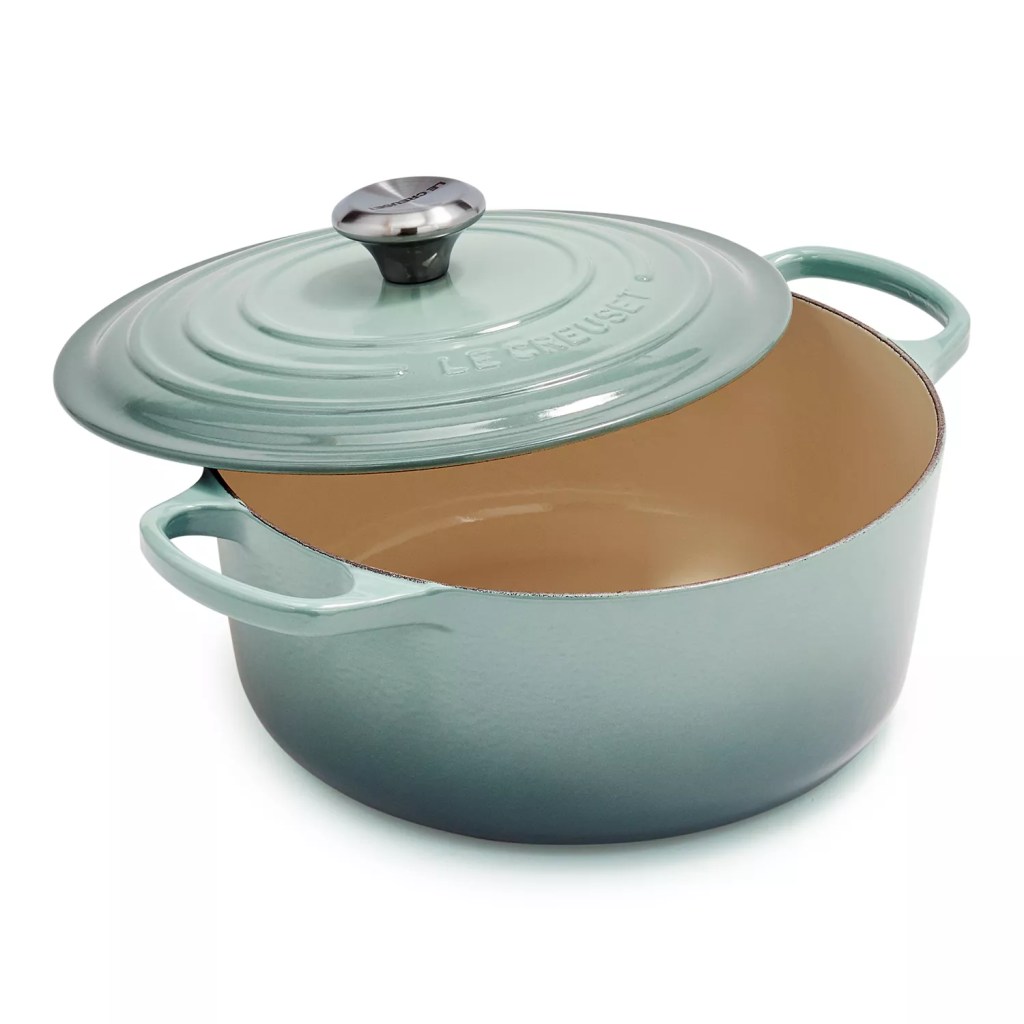
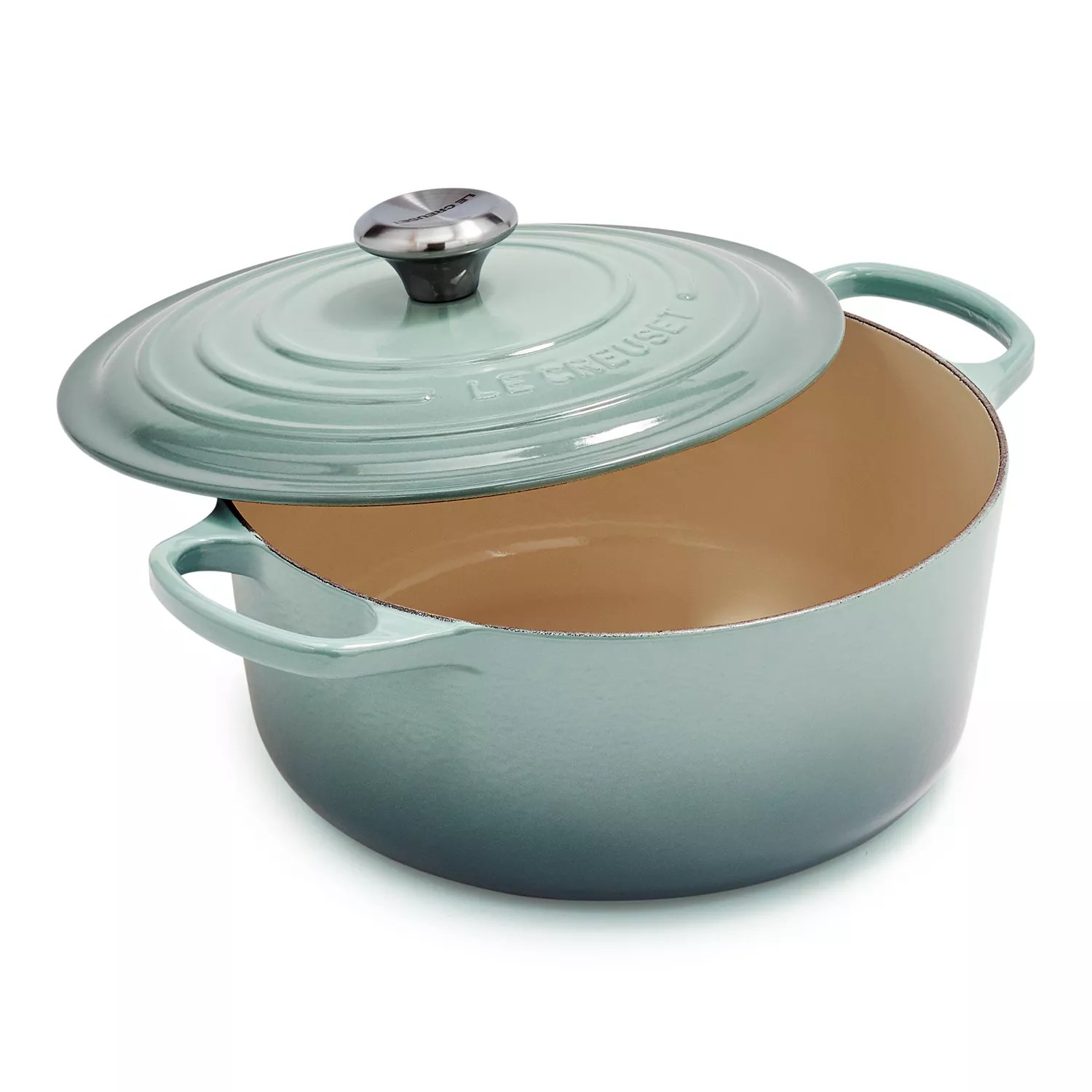
The one pot that braises, bakes bread, and simmers stew. Get the size and material right and it will outlive you.
8.2
KADS SCORE
Quick Take
A 5.5 to 7 quart round Dutch oven suits most households, big enough for braises and bread but not unwieldy. Enameled cast iron needs no seasoning and handles acidic sauces; raw cast iron is cheaper but demands care. Heavy lids that seal in steam matter more than brand names.
Loves
- One pot braises, bakes, fries, and simmers
- Enameled cast iron needs no seasoning
- Heavy lids trap moisture for tender braises
- Works on any cooktop and in the oven
- Quality pieces last decades
Not For
- Quality Dutch ovens are heavy to lift
- Premium enamel brands cost 300 dollars and up
- Enameled surfaces can chip if knocked
- Oversized pots waste energy for small meals
The Details
Full Review
Quality
Look for even enamel with no thin spots, a lid that sits flat with minimal wobble, and sturdy loop handles you can grip with mitts. Light interior enamel makes browning easier to see.
Value
Lodge and similar brands deliver 80 percent of the performance near 80 dollars. Le Creuset and Staub at 300 to 400 dollars buy heirloom fit and finish plus lifetime warranties.
You’ll Love It If
Home cooks who braise, bake bread, or batch cook should own one. Buy the 5.5 quart if you cook for two to four.
Skip It If
Tiny kitchens with no storage should skip the big sizes. If you never braise or bake, a stockpot covers your needs.
FINAL VERDICT
Buy a 5.5 quart enameled Dutch oven from a brand with a real warranty. It is the hardest working pot you will ever own.
8.2 / 10
Some links on this page are affiliate links. If you buy through them, Kads Review may earn a commission at no extra cost to you. See our Affiliate Disclosure.


Leave a comment