
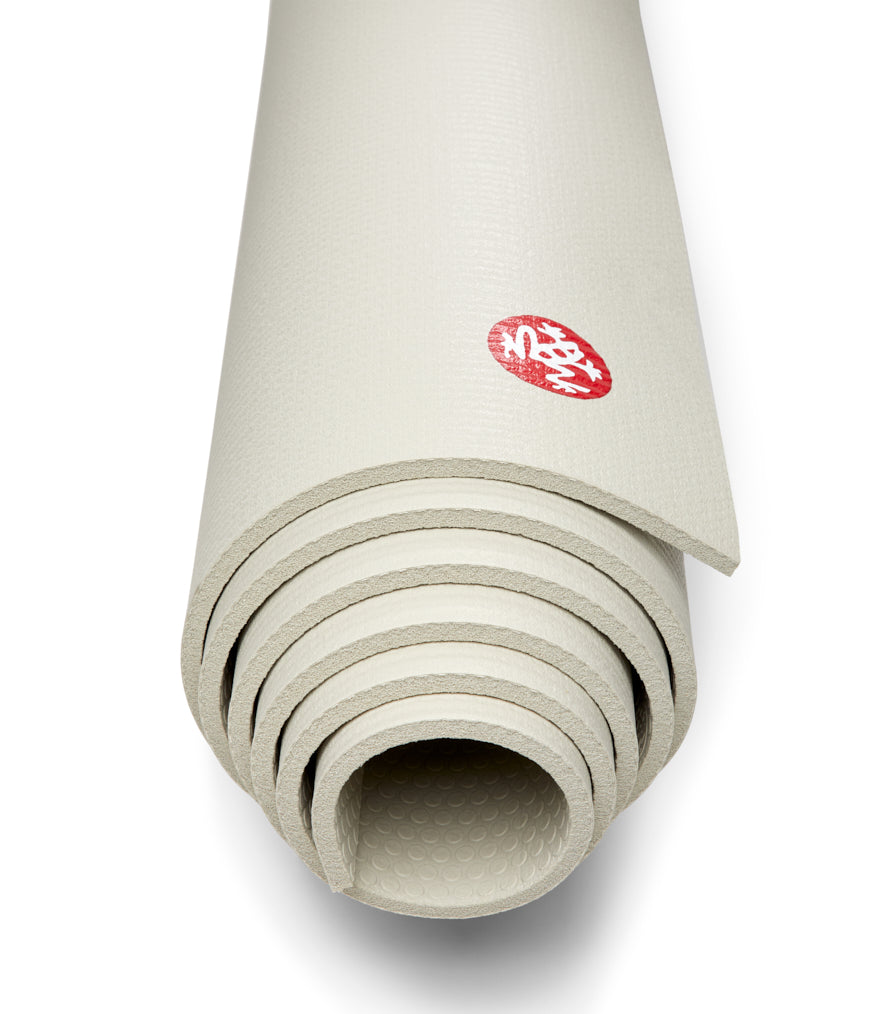
Too thin hurts knees, too thick wobbles balances. Find the mat that grips when you sweat and lasts for years.
8.2
KADS SCORE
Quick Take
Standard mats run about 4 to 5 mm thick, a balance of cushion and stability. Travel mats go thinner at 1 to 2 mm; knee friendly mats reach 6 mm. Natural rubber grips best when sweaty, PVC is the durable budget classic, and TPE sits in between. Standard length is 68 to 72 inches.
Loves
- Good grip prevents slipping in downward dog
- Proper cushioning protects knees and wrists
- Quality mats last years of daily practice
- Natural rubber offers the best sweaty grip
- Lightweight mats make studio commutes easy
Not For
- Cheap mats flake and lose grip within months
- Natural rubber has a strong smell at first
- Thick mats can feel unstable in balances
- Premium mats cost 70 to 130 dollars
The Details
Full Review
Quality
Unroll the mat flat and check it lies flat without curling edges. Press a thumbnail in: good foam rebounds. Texture should feel grippy, not slick, and the surface should not flake.
Value
Solid mats start near 30 dollars. The 70 to 130 dollar tier buys natural rubber, better grip, and warranties worth having for daily practitioners.
You’ll Love It If
Regular practitioners should invest in natural rubber. Beginners can start with a mid range PVC mat and upgrade once the habit sticks.
Skip It If
If you only stretch at home on carpet, a mat is optional. Hot yoga devotees should add a mat towel regardless of mat choice.
FINAL VERDICT
Pick 4 to 5 mm thickness, natural rubber if you sweat, and a trusted brand. A good mat removes excuses between you and the practice.
8.2 / 10
Some links on this page are affiliate links. If you buy through them, Kads Review may earn a commission at no extra cost to you. See our Affiliate Disclosure.


Leave a comment