
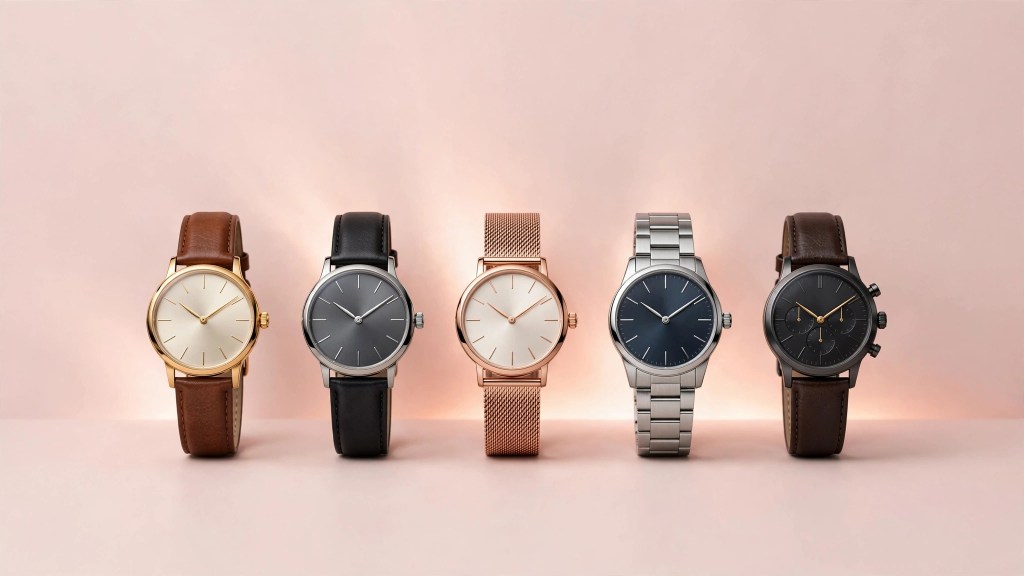
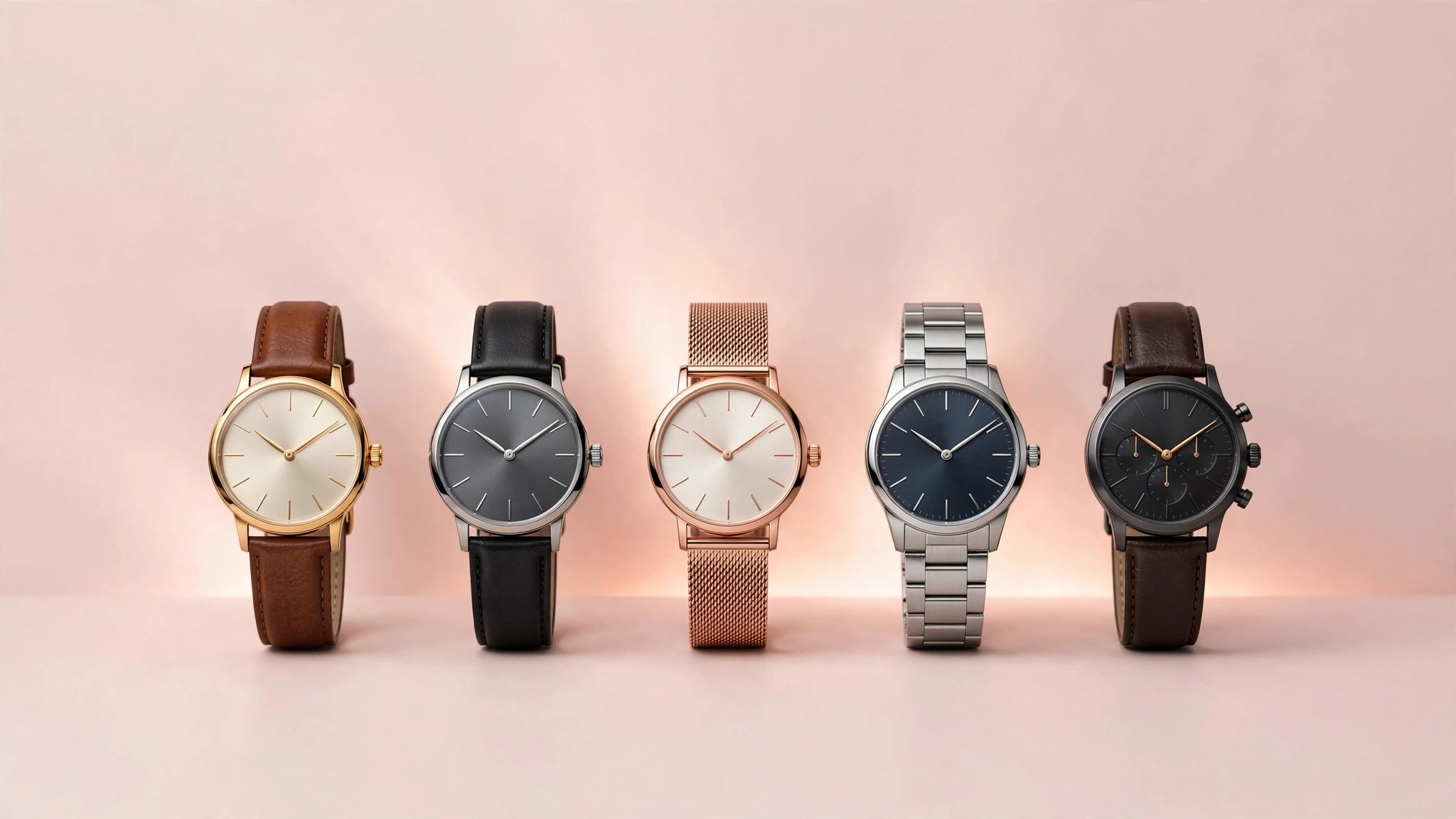
Movement, size, water resistance and style: everything you need to buy your first good watch with confidence.
8.5
KADS SCORE
Quick Take
Choosing a men’s watch comes down to four decisions: quartz or automatic movement, the right case size for your wrist, enough water resistance for your life, and a style that fits your wardrobe. Get those right and almost any watch from a reputable brand will serve you well. This guide walks through each choice in plain language.
What We Like
- Match case size to your wrist: 38 to 42mm suits most men
- Pick quartz for accuracy and low maintenance, automatic for craft
- Look for at least 50 meters of water resistance for daily wear
- Sapphire crystal resists scratches far better than mineral glass
- Buy from established brands with real warranty support
What We Don’t Like
- Buying oversized watches that overwhelm smaller wrists
- Paying for features like chronographs you will never use
- Ignoring lug to lug length, which matters more than diameter
- Choosing fashion brands with no service network
Product Details
Full Review
Quality
A watch’s movement is its engine. Quartz movements run on batteries, keep near perfect time and need little care beyond a battery swap every few years. Automatic movements wind themselves from wrist motion, sweep smoothly and appeal to enthusiasts, but they cost more and need servicing. Case size is measured across the dial, but lug to lug distance determines how a watch actually wears. Water resistance ratings are optimistic: 30 meters means splashes only, 50 meters handles showers, 100 meters is safe for swimming. Crystals range from acrylic to mineral glass to sapphire, each step up buying meaningful scratch resistance.
Value
You can get a genuinely good watch for under $150: Timex and Casio dominate this range with honest, durable pieces. From $150 to $500 you enter Seiko, Citizen and Hamilton territory, where automatic movements and sapphire crystals appear. Beyond $500 you are paying for brand prestige, finishing and heritage as much as function. For a first good watch, the $100 to $300 range is the sweet spot, and buying pre owned from reputable sellers stretches every dollar further.
Who Should Buy It
Read this if you are buying your first real watch and want to avoid the mistakes almost everyone makes.
Who Should Skip It
Skip it if you already own several watches and know your movement types; this guide is aimed squarely at beginners.
FINAL VERDICT
The right watch is the one that fits your wrist, your life and your budget, in that order. Start affordable, learn what you like, and let your second watch be the special one. A $120 Timex worn daily beats a $2,000 safe queen every time.
8.5 / 10
Some links on this page are affiliate links. If you buy through them, Kads Review may earn a commission at no extra cost to you. See our Affiliate Disclosure.


Leave a comment