
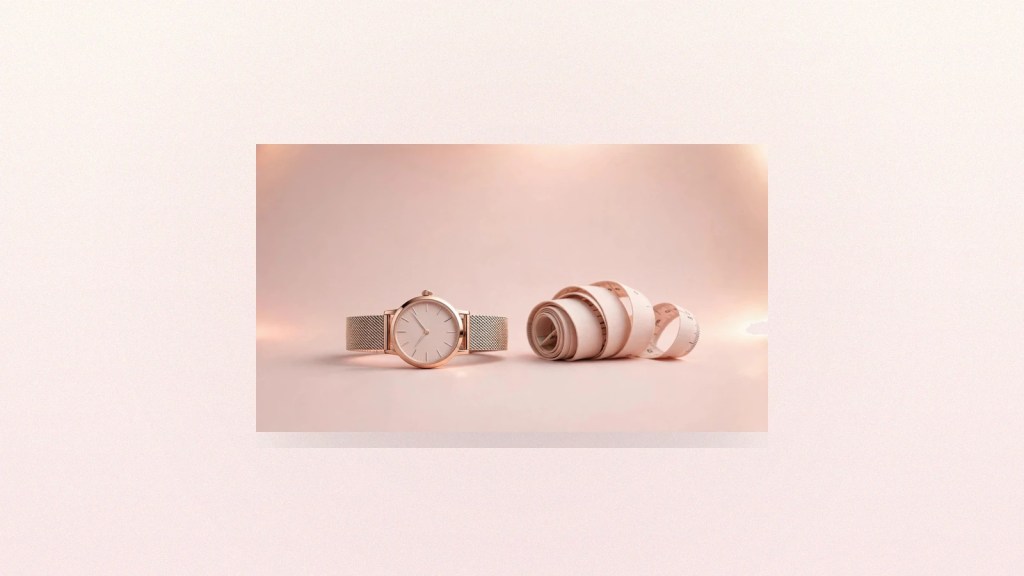
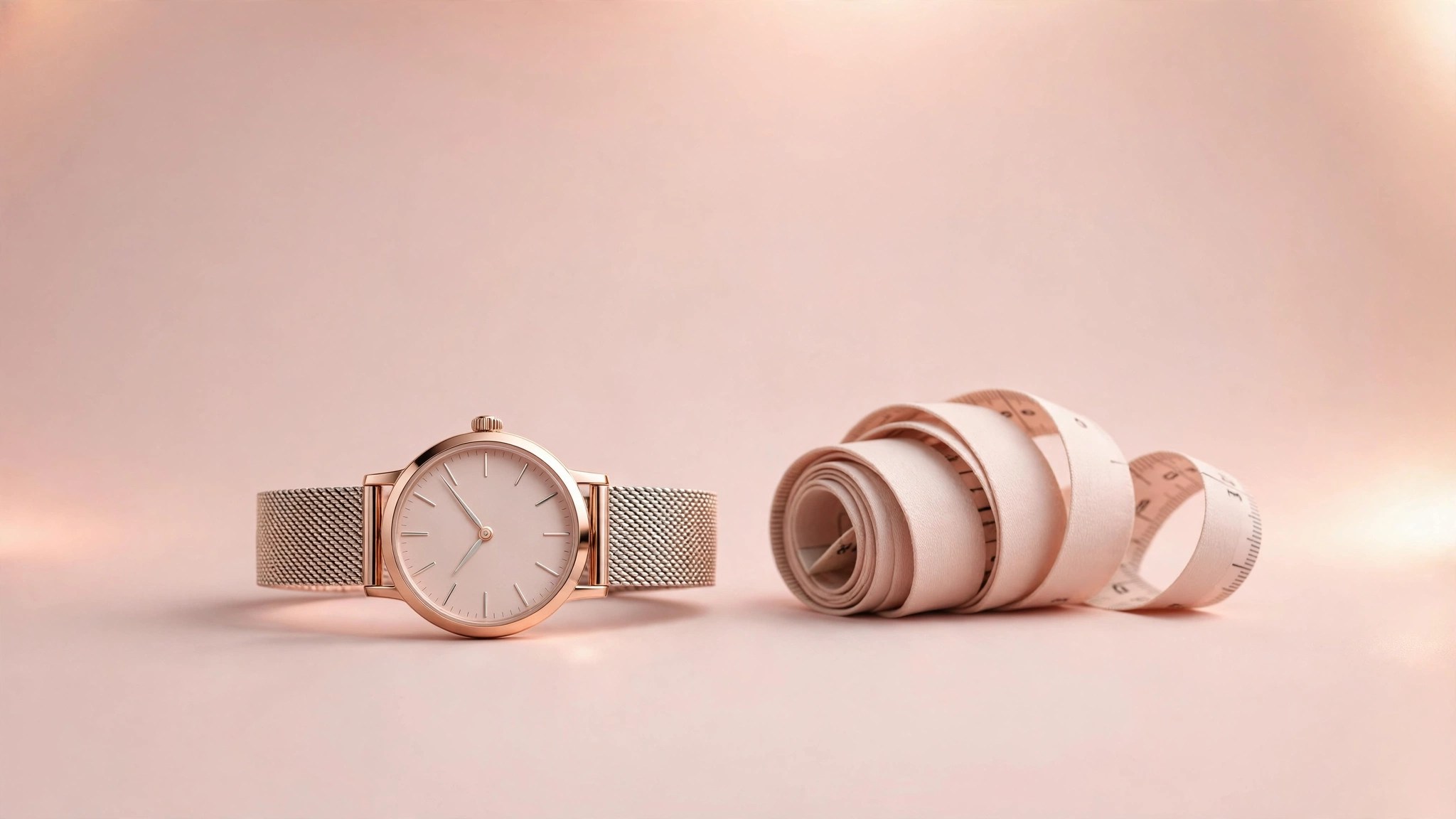
Case diameter gets the headlines, but lug to lug is what decides whether a watch actually fits your wrist.
8.0
KADS SCORE
Quick Take
Watch sizing confuses everyone because retailers only advertise one number. Learn both case diameter and lug to lug and you can predict fit from a spec sheet.
Loves
- Learn the two numbers that matter: case diameter and lug to lug
- Match case diameter to your wrist width as a starting point
- Keep lug to lug shorter than the flat top of your wrist
- Consider thickness: tall cases wear larger than flat ones
- Try on before buying when possible, since photos mislead
Not For
- Judging fit by case diameter alone is the biggest mistake
- Ignoring strap width and lug shape changes how a case wears
- Assuming 40mm fits every wrist the same way
- Forgetting that water resistant sport cases run thick
The Details
Full Review
Quality
Key features explained: case diameter (measured across the face, usually 34 to 44mm for men), lug to lug (tip to tip across the case, the real footprint on your wrist), case thickness, and lug width for strap pairing. A 40mm case with short curved lugs can wear smaller than a 38mm case with long straight ones.
Value
How much to spend: sizing knowledge is free and applies to a $25 Timex or a $5,000 Omega equally. Budget your money for the watch itself, not for learning this; a well chosen $150 watch that fits beats a poorly sized $1,000 one.
You’ll Love It If
This guide is for anyone buying their first real watch or shopping for one as a gift.
Skip It If
Skip the research only if you can try everything on in person at a good watch shop.
FINAL VERDICT
Lug to lug is the secret spec that separates a watch that fits from one that wears you. Measure your wrist, check both numbers, and buy with confidence.
8.0 / 10
Some links on this page are affiliate links. If you buy through them, Kads Review may earn a commission at no extra cost to you. See our Affiliate Disclosure.



Leave a comment