
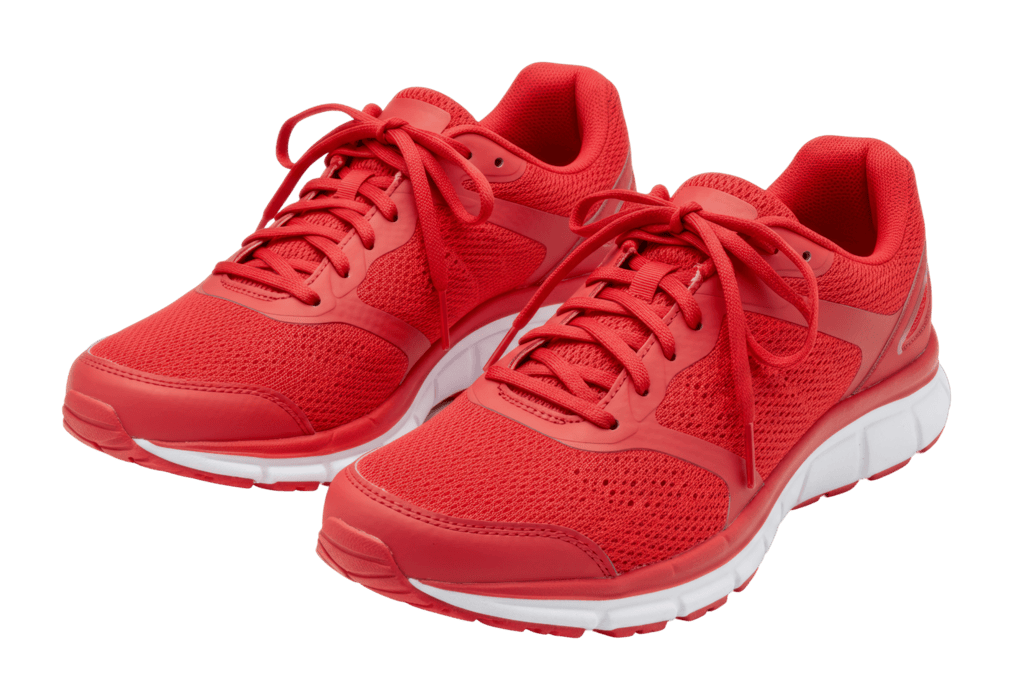
Fit first, hype last: the five things that actually matter in a running shoe.
Product Image: Vecteezy
8.0
KADS SCORE
Quick Take
Choosing running shoes is simpler than the wall of options suggests. Fit matters more than brand, your gait matters more than marketing, and the best shoe is the one you forget you are wearing. This guide covers the five decisions that actually change your run.
What We Like
- Get fitted late in the day when feet are slightly swollen
- Match support to your gait: neutral versus stability
- Prioritize cushioning level for your typical distance
- Check heel drop: lower drops feel faster, higher drops feel easier
- Rotate two pairs to extend shoe life and reduce injury risk
What We Don’t Like
- Buying for looks instead of fit
- Running in worn out shoes with dead cushioning
- Ignoring your gait and buying the wrong support type
- Skipping the break in and racing in brand new shoes
Product Details
Full Review
Quality
Key features explained. Fit is everything: a thumb’s width of space in the toe box, no heel slip, and no pressure points. Neutral shoes suit most runners, while stability models help overpronators. Cushioning ranges from firm and responsive to maximal and plush; neither is better, only better for you. Heel drop, the height difference between heel and forefoot, shapes how the shoe feels: 8 to 12mm is the easy default, lower drops reward efficient form.
Value
How much to spend. Decent daily trainers start around $100 to $130, with premium models running $160 to $200. Beginners do not need the top tier shoe; a well fitting mid range trainer beats an ill fitting flagship every time. Replace shoes every 300 to 500 miles, and watch for sales on last season’s colors to save 30 percent or more.
Who Should Buy It
New runners buying their first real pair, and experienced runners overdue for a refresh.
Who Should Skip It
Minimalist and barefoot devotees already know what they want; this guide is for the shoe curious.
FINAL VERDICT
Start with fit, match the shoe to your gait and distance, and ignore the hype cycle. Two pairs in rotation will do more for your running than any single super shoe.
8.0 / 10
Some links on this page are affiliate links. If you buy through them, Kads Review may earn a commission at no extra cost to you. See our Affiliate Disclosure.



Leave a comment